Buy dellentechnik.eu ?
We are moving the project
dellentechnik.eu .
Are you interested in purchasing the domain
dellentechnik.eu ?
domain@kv-gmbh.de · 0541-91531010
Buy dellentechnik.eu ?
What does "ratchet" mean?
"Ratchet" is a slang term that is often used to describe something or someone that is low-class, unrefined, or of poor quality. It can also refer to a situation that is out of control or chaotic. The term is commonly used in hip-hop culture and has evolved to have various meanings depending on the context in which it is used. **
Who invented the tool ratchet?
The ratchet tool was invented by Conrad Johan Knap in the 1860s. Knap was a Swedish inventor who patented the ratchet mechanism in 1863. The ratchet tool revolutionized the way mechanical work was done by allowing continuous motion in one direction while preventing motion in the opposite direction. **
Similar search terms for Erickson-Manufacturing-Erickson-Ratchet
Top-Angebote
Products related to Erickson-Manufacturing-Erickson-Ratchet:



-
Which ratchet wrench is this?
This is a reversible ratcheting combination wrench. It features a ratcheting mechanism that allows the user to tighten or loosen nuts and bolts without having to remove the wrench from the fastener. The reversible feature allows the user to switch the direction of the ratcheting action, making it a versatile tool for various applications. **
-
What types of costs include manufacturing materials and manufacturing wages?
The types of costs that include manufacturing materials and manufacturing wages are known as direct costs. Direct costs are expenses that can be specifically attributed to the production of goods or services. Manufacturing materials refer to the raw materials and components used in the production process, while manufacturing wages include the labor costs associated with the production workers directly involved in the manufacturing process. These costs are directly tied to the production of goods and are essential for calculating the total cost of production. **
-
What is the difference between group manufacturing and workshop manufacturing?
Group manufacturing involves the production of goods in large quantities using specialized machinery and assembly lines, with a focus on efficiency and mass production. This method is commonly used in industries such as automotive and electronics. On the other hand, workshop manufacturing involves the production of goods in smaller quantities using more flexible and versatile equipment, with a focus on customization and craftsmanship. This method is commonly used in industries such as furniture making and artisanal products. Overall, the main difference lies in the scale of production and the level of specialization in the manufacturing process. **
-
How does the ratchet tool work?
The ratchet tool works by using a gear and pawl mechanism. When the handle is turned in one direction, the gear engages with the pawl, allowing the tool to rotate freely. However, when the handle is turned in the opposite direction, the pawl prevents the gear from moving, creating a ratcheting action. This allows the user to apply force in one direction while the tool remains stationary in the other direction, making it easier to tighten or loosen fasteners in tight spaces. **


How do I operate a ratchet?
To operate a ratchet, first, ensure the ratchet is set to the desired direction by flipping the switch on the head of the tool. Then, place the socket onto the fastener you want to tighten or loosen. Hold the ratchet handle and apply force in the desired direction while turning the handle back and forth. The ratchet mechanism will allow you to turn the fastener without having to remove and reposition the tool. **
How do you use a ratchet?
To use a ratchet, you first need to insert the appropriate socket onto the square drive of the ratchet. Then, position the socket onto the fastener you want to tighten or loosen. Hold the ratchet handle and turn it in the desired direction. The ratchet mechanism allows you to apply force in one direction while allowing the handle to return without turning the socket in the opposite direction. Repeat the process until the fastener is tightened or loosened to your desired level. **
Top-Angebote
Products related to Erickson-Manufacturing-Erickson-Ratchet:
-
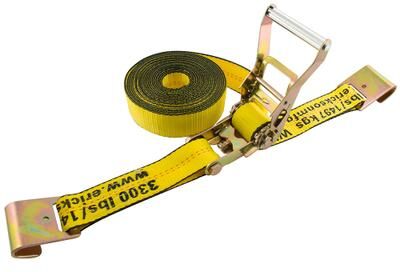
Erickson Manufacturing Erickson Ratchet Strap with Flat HooksThe Erickson Ratchet Strap with Flat Hooks can secure up to 3300 pounds of cargo on a flatbed truck or trailer. Each strap is constructed with strong and durable polyester webbing with Department of Transportation compliant print. The aluminum...30,16 $*Shipping: 0,00 $Secure redirect to the provider
-
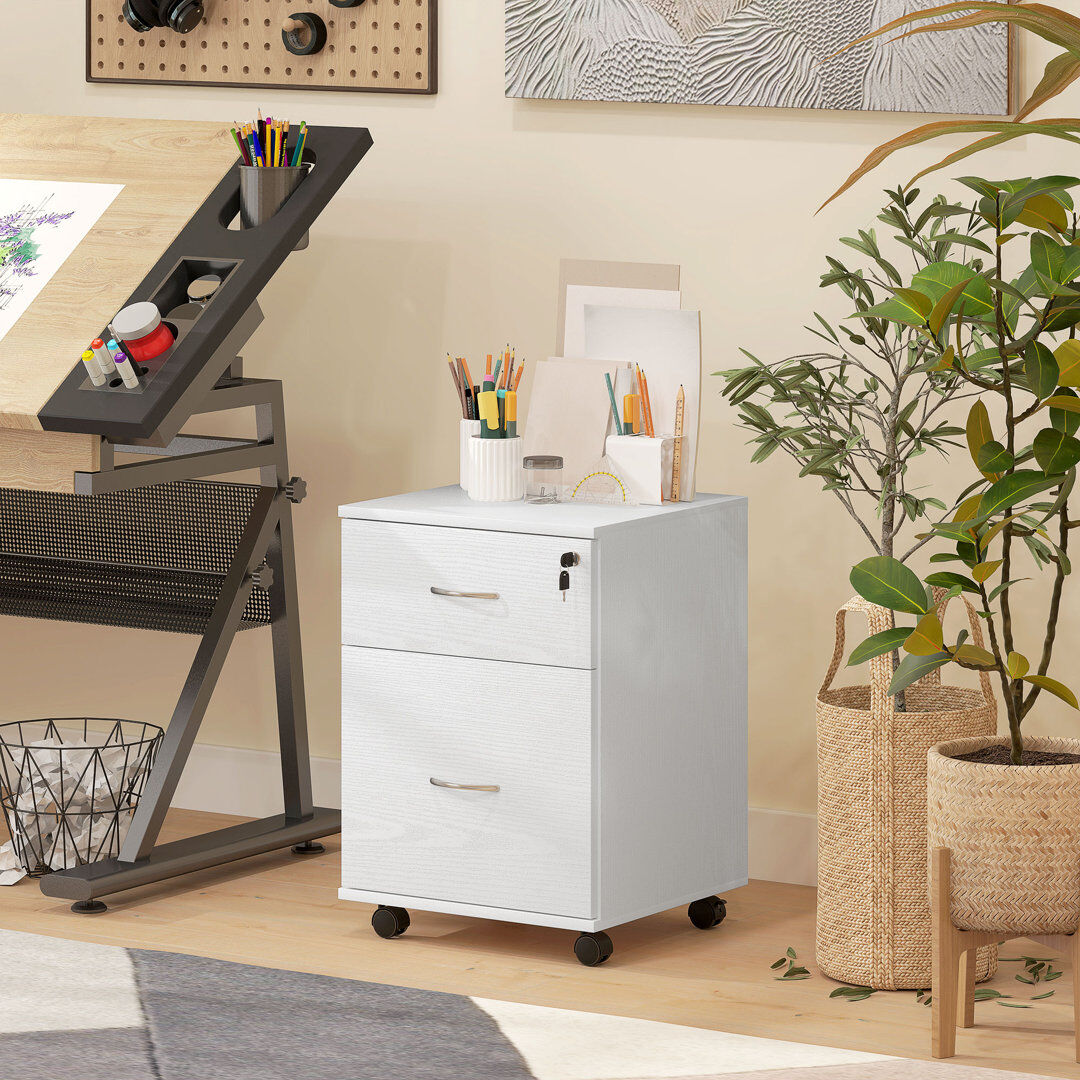
Lily Manor Erickson 41 cm W 2 -Drawer Filing Cabinet White 58cm H X 41cm W X 39cm DSecure office storage, done with a natural touch - this filing cabinet. It comes in a wood-effect finish for a beautiful addition to wherever you decide to have it. It comes with a top drawer and larger bottom drawer - plenty of room for keeping files and other work essentials stored; complete with a top lock for security. Two keys included.- Two drawers to store office files, supplies and other essentials; - Tabletop can hold a printer, scanner or similar; - Top lock for security, with two keys included; - Four wheels to move easily, with two brakes; - 58cm tall. Fits easily under desks; - Robust particle board, in a beautiful wood-effect finish; - Maximum load 20kg, assembly required;- Colour: White Wood Grain; - Material: Particleboard; - Overall Dimensions: 41W x 39D x 58Hcm; - Drawer Inner Size: 31.6W x 28.4D x 12Hcm (upper), 31.6W x 28.4D x 16.2Hcm (bottom); - Weight Capacity: 20kg; - Item Label: 836-038V00WT; Note: No hanging file folder design; Brand Name: Lily Manor.45,99 £*Shipping: 4,99 £Secure redirect to the provider
-
What does "ratchet" mean?
"Ratchet" is a slang term that is often used to describe something or someone that is low-class, unrefined, or of poor quality. It can also refer to a situation that is out of control or chaotic. The term is commonly used in hip-hop culture and has evolved to have various meanings depending on the context in which it is used. **
-
Who invented the tool ratchet?
The ratchet tool was invented by Conrad Johan Knap in the 1860s. Knap was a Swedish inventor who patented the ratchet mechanism in 1863. The ratchet tool revolutionized the way mechanical work was done by allowing continuous motion in one direction while preventing motion in the opposite direction. **
-
Which ratchet wrench is this?
This is a reversible ratcheting combination wrench. It features a ratcheting mechanism that allows the user to tighten or loosen nuts and bolts without having to remove the wrench from the fastener. The reversible feature allows the user to switch the direction of the ratcheting action, making it a versatile tool for various applications. **
-
What types of costs include manufacturing materials and manufacturing wages?
The types of costs that include manufacturing materials and manufacturing wages are known as direct costs. Direct costs are expenses that can be specifically attributed to the production of goods or services. Manufacturing materials refer to the raw materials and components used in the production process, while manufacturing wages include the labor costs associated with the production workers directly involved in the manufacturing process. These costs are directly tied to the production of goods and are essential for calculating the total cost of production. **
Similar search terms for Erickson-Manufacturing-Erickson-Ratchet
-
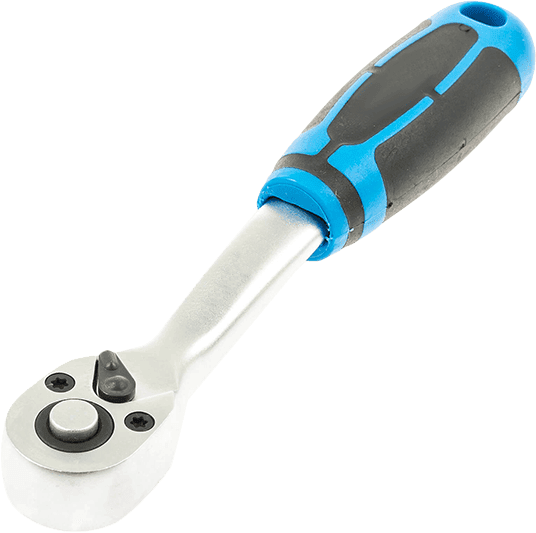
NEO TOOLS 08-530 Reversible RatchetTool handle type: 2-piece grip; Tools: with ratchet function; Number of teeth (ratchet mechanism): 90; Drive [inch]: 1/4; Length [mm]: 155; Material: Chrome-Molybdenum Steel, Chrome Vanadium Steel; Rotation Direction: Can be used in clockwise and anticlockwise direction; DIN/ISO: DIN312211,99 £*Shipping: 8,45 £Secure redirect to the provider
-
What is the difference between group manufacturing and workshop manufacturing?
Group manufacturing involves the production of goods in large quantities using specialized machinery and assembly lines, with a focus on efficiency and mass production. This method is commonly used in industries such as automotive and electronics. On the other hand, workshop manufacturing involves the production of goods in smaller quantities using more flexible and versatile equipment, with a focus on customization and craftsmanship. This method is commonly used in industries such as furniture making and artisanal products. Overall, the main difference lies in the scale of production and the level of specialization in the manufacturing process. **
-
How does the ratchet tool work?
The ratchet tool works by using a gear and pawl mechanism. When the handle is turned in one direction, the gear engages with the pawl, allowing the tool to rotate freely. However, when the handle is turned in the opposite direction, the pawl prevents the gear from moving, creating a ratcheting action. This allows the user to apply force in one direction while the tool remains stationary in the other direction, making it easier to tighten or loosen fasteners in tight spaces. **
-
How do I operate a ratchet?
To operate a ratchet, first, ensure the ratchet is set to the desired direction by flipping the switch on the head of the tool. Then, place the socket onto the fastener you want to tighten or loosen. Hold the ratchet handle and apply force in the desired direction while turning the handle back and forth. The ratchet mechanism will allow you to turn the fastener without having to remove and reposition the tool. **
-
How do you use a ratchet?
To use a ratchet, you first need to insert the appropriate socket onto the square drive of the ratchet. Then, position the socket onto the fastener you want to tighten or loosen. Hold the ratchet handle and turn it in the desired direction. The ratchet mechanism allows you to apply force in one direction while allowing the handle to return without turning the socket in the opposite direction. Repeat the process until the fastener is tightened or loosened to your desired level. **
* All prices are inclusive of VAT and, if applicable, plus shipping costs. The offer information is based on the details provided by the respective shop and is updated through automated processes. Real-time updates do not occur, so deviations can occur in individual cases. ** Note: Parts of this content were created by AI.